




How Do the Four Seasons Affect Fly Fishing?
Trout fishing changes through the year because the water changes. Temperature, insect life, daylight and weather all influence where fish hold, when they feed and how active they are.
The seasons matter because trout respond to conditions, not to the calendar itself. Spring, summer, autumn and winter each bring different opportunities, but water temperature, weather and food availability are often more important than the date.
Think about conditions, not just months
It is tempting to think of fly fishing in fixed seasonal rules, but nature is rarely that tidy. A cold spring can delay activity, a cool summer can fish more like late spring, and a warm autumn can extend good feeding well beyond what the calendar suggests.
The useful question is not simply “What month is it?” but “What is the water doing?” Trout are strongly affected by temperature, oxygen, food and light, and those factors change continually through the year.
Spring
Spring is a season of change. As water begins to warm, insect activity increases and trout gradually become more active. Fish that were relatively sluggish in colder conditions may begin feeding for longer periods and moving into more favourable lies.
Early spring can still be cold and slow, but as conditions improve the fishing often becomes steadily more varied and rewarding.
Summer
Summer can produce excellent fishing, but warmer water changes trout behaviour. Fish may feed strongly at certain times of day and become less active when conditions are bright and hot.
Early morning and evening can become particularly important, while shade, deeper water and areas with good oxygen levels may become more attractive to fish during warmer periods.
Autumn
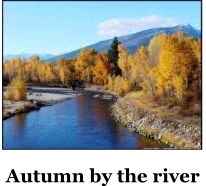
As temperatures begin to fall, trout often become more comfortable again after the heat of summer. Feeding activity can improve, and changing weather can bring very productive spells.
Autumn is also a season of transition. Daylight shortens, insect activity changes and fish may begin to alter both their feeding times and the areas they prefer to use.
Winter
Cold water slows the metabolism of trout and usually reduces the amount of food they need. Fish may feed less often and may be less willing to move far for a meal.
Winter fishing can still be rewarding, but it often requires patience and a better awareness of where fish are likely to hold in colder conditions.

Water temperature matters enormously
Trout are cold-blooded, so the temperature of the water directly affects their activity. When water is very cold, they tend to slow down. As it warms into a comfortable range, feeding can increase. If it becomes too warm, activity can fall again and fish may seek cooler, better oxygenated water.
That is why the same river or lake can fish very differently from one week to the next, even within the same season.
Food changes with the seasons too
The insects and other creatures available to trout also change through the year. Some forms of food are abundant only for a short period, while others remain important for much longer.
As the available food changes, trout may alter where they feed, how high in the water they feed, and how actively they move in search of it.
Light and weather also play a part
Bright sunshine, cloud cover, wind, rain and changing air pressure can all alter the character of a day's fishing. Seasonal conditions influence those factors, but day-to-day weather can be just as important.
A cool, overcast summer day may fish very differently from a hot, still one. Likewise, a mild winter spell may produce more activity than a bitterly cold day only a few days earlier.
A simple seasonal guide
| Season | What often changes |
|---|---|
| Spring | Warming water, increasing insect activity and gradually more active trout |
| Summer | Warmer water, stronger influence of light and temperature, and greater importance of time of day |
| Autumn | Cooling water, changing food sources and renewed periods of comfortable feeding conditions |
| Winter | Colder water, slower fish and shorter or less frequent feeding periods |
The best anglers watch for change
Seasonal knowledge gives you a useful starting point, but the real skill is noticing what is happening now. Water temperature, insect activity, wind, light and fish movement can all tell you more than the calendar alone.
Use the season as a guide, but let the water make the final decision. The trout are responding to conditions in front of you, not to the date on your calendar.
The Fly Fishing Encyclopedia app goes much further into spring, summer, autumn and winter, explaining how changing conditions affect trout behaviour and how your fishing approach can change with them.
GET THE APP HERE