




What Fly Line Do I Need?
Choosing a fly line becomes much easier once you separate three different questions: what weight should it be, how quickly should it sink, and what shape or profile should it have?
The short answer: start by matching the line weight to your rod. For most general fishing, a weight-forward floating line is the simplest and most versatile choice. Choose an intermediate or fast-sinking line when you need to fish below the surface.
Why fly line matters
In ordinary fishing, the weight of a lure or sinker helps carry the line out. Fly fishing is different. The artificial fly may weigh almost nothing, so it is the weight of the fly line itself that loads the rod and carries the fly towards the fish.
That is why the rod and line need to work together. A line that is much too light may not load the rod properly, while a line that is too heavy can make the rod feel overloaded and clumsy.
First: match the line weight to the rod
Fly rods are normally marked with a line rating such as 4-weight, 5-weight, 6-weight or 7-weight. As a starting point, choose a fly line with the same number as the rod. A 6-weight rod is therefore normally matched with a 6-weight line.
The line weight tells you how much mass the line carries for casting. It does not tell you whether the line floats or sinks. A 6-weight line, for example, can be made as a floating, intermediate or sinking line.
Floating, intermediate or sinking?
This is the next important decision. The right choice depends mainly on the depth at which you want your fly to fish.
Floating line
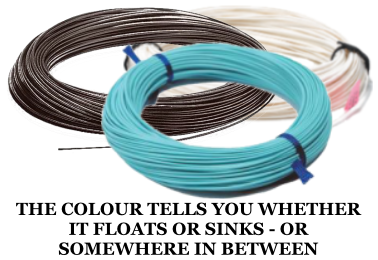
A floating line stays on the surface. It is the best all-round starting point for most fly fishers and is ideal for dry flies, many nymphing methods and a wide range of general river and stillwater fishing.
Even though the fly line floats, the leader and fly can still fish below the surface. The floating line simply gives you excellent control, easy pick-up for the next cast and a clear visual connection with what is happening.
Intermediate line
An intermediate line sinks slowly. It is useful when fish are feeding just under the surface or when you want the fly to stay below surface disturbance without dropping rapidly into deeper water.
Intermediate lines are particularly useful on lakes and reservoirs because they let you retrieve a fly through the upper layers of the water in a controlled way.
Fast-sinking line
A fast-sinking line is designed to take the fly down quickly. It comes into its own when fish are holding deeper, when the water is cold and fish are reluctant to rise, or when wind and wave action make it difficult to keep a fly at the required depth.
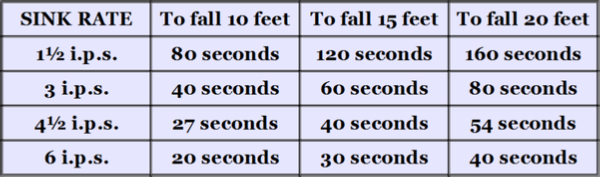
Sinking lines are sold in different sink rates, so “fast sinking” is not one single speed. The important point is to choose a line that reaches the depth you want without racing straight past the fish.
What is a weight-forward fly line?
A weight-forward line has most of its casting weight concentrated towards the front of the line. This helps the rod load efficiently and makes it easier to cast a useful distance, particularly when there is some wind.
For a beginner buying one general-purpose line, a weight-forward floating line is usually the most straightforward choice.
What is a double-taper fly line?
A double-taper line is thicker through the middle and tapers towards both ends. It can give delicate presentation and good control at normal fishing distances. Because both ends are tapered, many double-taper lines can also be reversed when one end becomes worn.
They remain very useful, especially for anglers who value presentation and control, although weight-forward lines are now the more common all-purpose choice.
A simple way to choose
| If you want to... | A good starting choice is... |
|---|---|
| Learn to cast and cover general fishing | A weight-forward floating line matched to the rod |
| Fish dry flies | A floating line |
| Fish nymphs at modest depth | A floating line with a suitable leader, or an intermediate when appropriate |
| Fish just below the surface | An intermediate line |
| Reach fish holding deep | A sinking or fast-sinking line suited to the required depth |
Do I need several fly lines?
Not when you are starting. One good floating line matched to your rod will cover a remarkable amount of fishing. As your experience grows, an intermediate line is often the next useful addition, followed by one or more sinking lines if the waters you fish require them.
The important thing is not to collect lines for the sake of it. Each additional line should solve a particular fishing problem: getting the fly a little deeper, getting it down quickly, coping with wind, or presenting it in a particular way.
Remember: line weight, sink rate and line profile describe different things. Match the weight to the rod first, choose floating/intermediate/sinking for the depth you need, then choose the profile that suits your casting and fishing.
The Fly Fishing Encyclopedia app goes much further into fly lines, tackle and how to get the best from them, together with the techniques, flies, seasons, species and practical knowledge that help you catch more fish.
GET THE APP HERE