




What Weight Fly Rod Should I Buy?
The best fly rod is not simply the most expensive one. It is the rod that suits the fishing you actually intend to do.
For someone buying a first general-purpose trout rod and unsure where their fishing will take them, a 9-foot 5-weight is a very sensible place to start.
Choosing a fly rod is not simply a matter of buying the most expensive one you can afford. A fly rod has several jobs to do: it must cast the line, help you feel what is happening at the fly, cushion the leader when a fish is hooked, and still be practical enough to carry and use comfortably. No single rod is perfect at everything, so compromise is often the key.
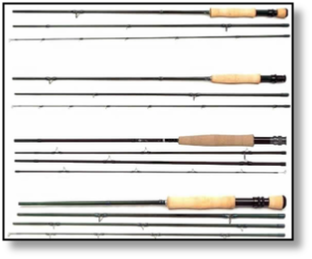
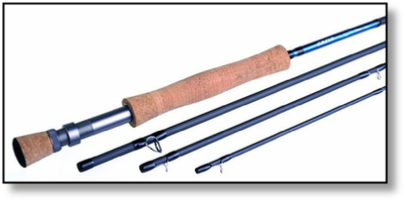
The first question to ask is not “Which rod is best?” but “What sort of fishing am I going to do?”
Small streams
If most of your fishing will be on small streams for modest trout, a lighter 3- or 4-weight rod can be a delight to use. It allows delicate presentation and makes smaller fish more enjoyable to play.
General river and stillwater trout fishing
For general river and stillwater trout fishing, a 5-weight rod is a very useful all-round choice. It gives a good balance between delicacy, casting ability and fish-playing power.
Larger rivers, reservoirs and open water
If you intend fishing larger rivers, reservoirs or open water, particularly where wind and heavier flies are likely to be involved, I would move up to a 7-weight rod. It gives you considerably more authority when conditions become demanding.
| Rod weight | Good starting use |
|---|---|
| 3–4 weight | Small streams, modest trout and delicate presentation. |
| 5 weight | General-purpose river and stillwater trout fishing. |
| 7 weight | Larger rivers, reservoirs, open water, wind and heavier flies. |
What about rod length?
Rod length also matters. Around 9 feet is a sensible general-purpose length. Shorter rods can be useful on confined or overgrown streams, while longer rods give greater line control on larger waters.
Every rod is a compromise
It is worth remembering that a rod designed primarily for powerful casting will usually be stiffer and less forgiving when playing a fish. Conversely, a very soft and flexible rod may be wonderfully sensitive and enjoyable at close quarters, but less capable of producing distance or handling a large fish.
The important thing is to match the rod to the fishing you actually expect to do. There is little point buying a delicate stream rod if most of your fishing will be for larger trout on a reservoir, just as a powerful reservoir outfit would be unnecessarily cumbersome on a tiny brook.
Want to go deeper? The Fly Fishing Encyclopedia app contains a much fuller section on fly rods, including rod design and how to match your equipment to the fishing you intend to do.
GET THE APP HERE